Prior to the Industrial Revolution, fitness was described as the ability to carry out daily tasks without becoming exhausted or lethargic. Physical fitness is now considered a measure of the body’s ability to function efficiently and effectively in work and leisure activities, to be healthy, to resist hypokinetic diseases, to improve the immune system, and to respond to emergency situations, thanks to automation and changes in lifestyles.
The characteristic or state of being fit and healthy is defined as fitness. The term “fitness” grew by a factor of ten in western vernacular around 1950, probably in response to the Industrial Revolution and the World War II doctrine. The modern definition of fitness refers to a person’s or machine’s capacity to fulfill a certain duty, as well as a more comprehensive definition of human adaptation to diverse environments. This has resulted in a link between human fitness and physical appeal, which has sparked global interest in the fitness and fitness equipment businesses. Persons with significant aerobic or anaerobic ability are considered fit in terms of specialized function (i.e., endurance or strength). When opposed to exercising only one type of fitness, a well-rounded fitness program improves a person’s overall fitness, such as cardio/respiratory or just weight lifting.
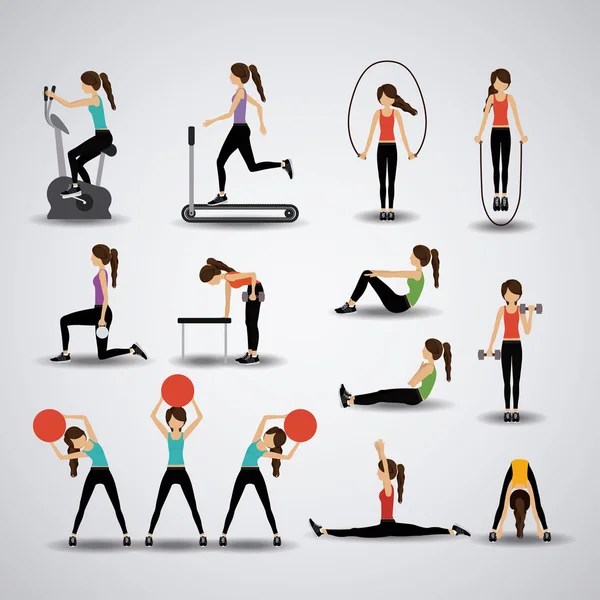
A personalized fitness program focuses on one or more specific talents, as well as age- or health-related issues like bone health. Mental, social, and emotional health are equally significant aspects of overall fitness, according to several sources. In textbooks, this is commonly depicted as a triangle with three points that symbolize physical, emotional, and mental wellness. Physical fitness has been found to help people avoid illness and recover faster after an injury or illness. Fitness has been found to have a positive impact on mental health by assisting in the treatment of anxiety and depression, in addition to the physical health advantages. Physical fitness can also help to prevent or treat a variety of other chronic health problems caused by a bad lifestyle or aging. It is regularly recognized as one of the most popular and beneficial self-care therapies. Working out can also help some people sleep better by increasing their sleeping pressure and may even help some people with mood issues.
Many of the advantages of exercise are mediated through the role of skeletal muscle as an endocrine organ, according to new research. That is, contracting muscles release a number of molecules known as myokines, which promote new tissue formation, tissue repair, and anti-inflammatory actions, lowering the chance of acquiring inflammatory disorders.
 Fitness For a Healthy Lifestyle